Food labels matched to the needs of production and sales
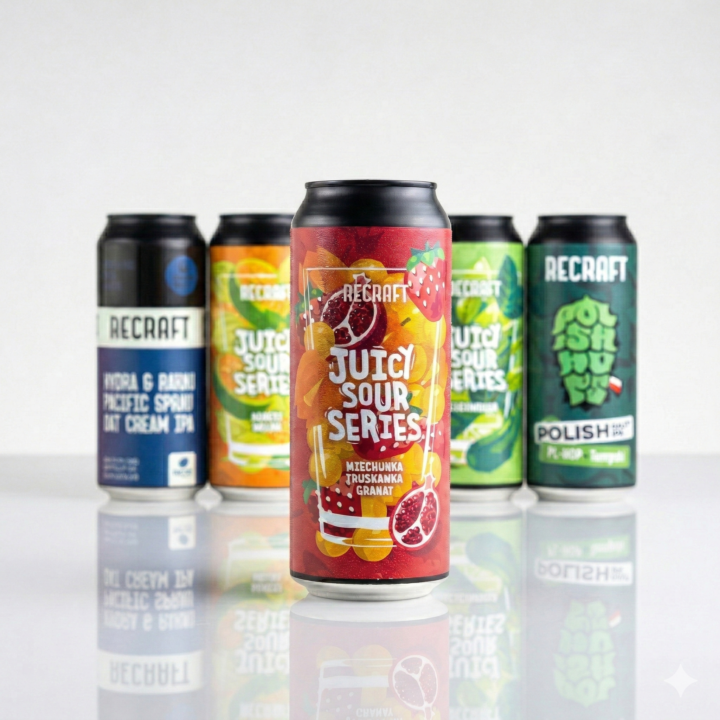
The food industry is one of the most demanding segments of the packaging market. Products go to cold rooms, warehouses, transport and store shelves, so labels for the food industry must be durable, legible and suited to different storage conditions. Depending on the production volume, both flexographically printed labels, which ensure high repeatability for large runs, and digitally printed labels, which make it easy to introduce design changes, new flavours or seasonal series, are used.
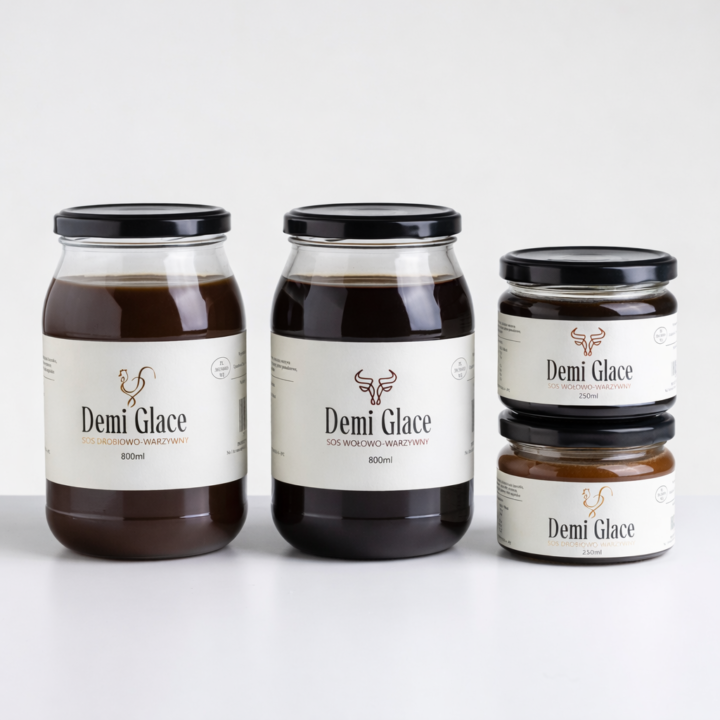
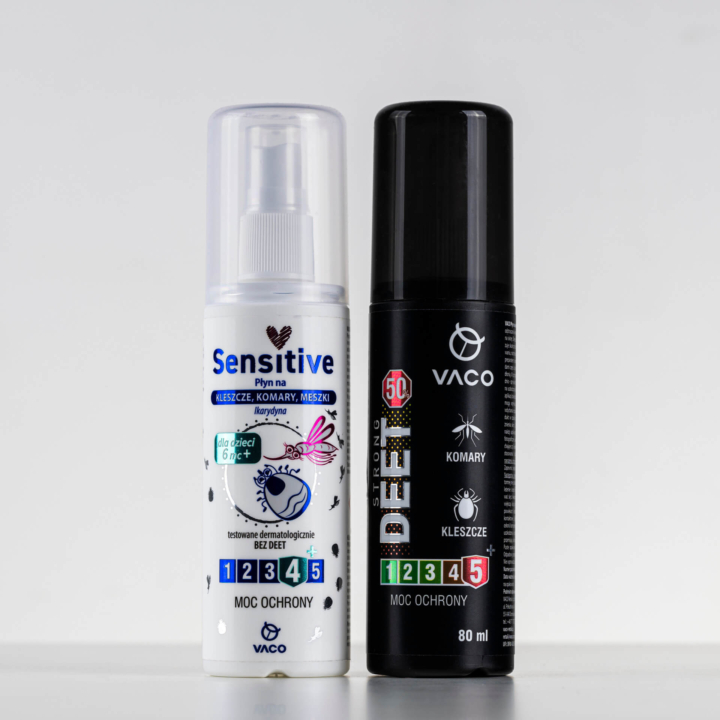
For food products, the amount of information that has to appear on the packaging is very important. The composition, nutritional values, best-before dates and markings all need space, while the label must remain legible and attractive. That is why manufacturers increasingly choose solutions that keep the look clean and still meet all formal requirements.
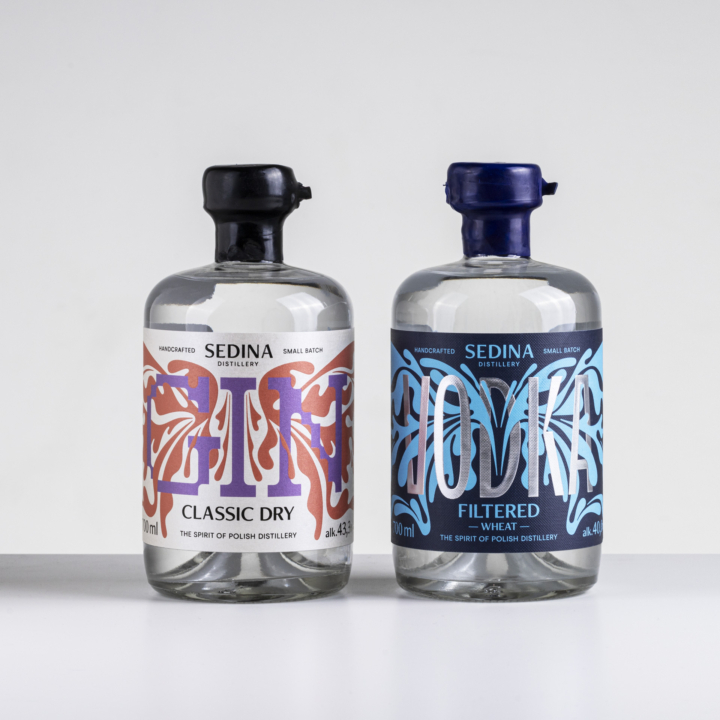
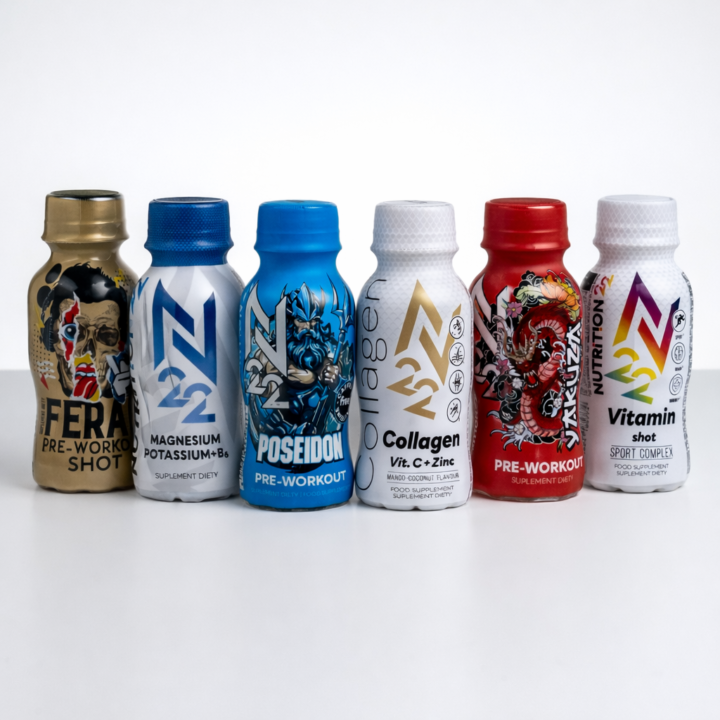
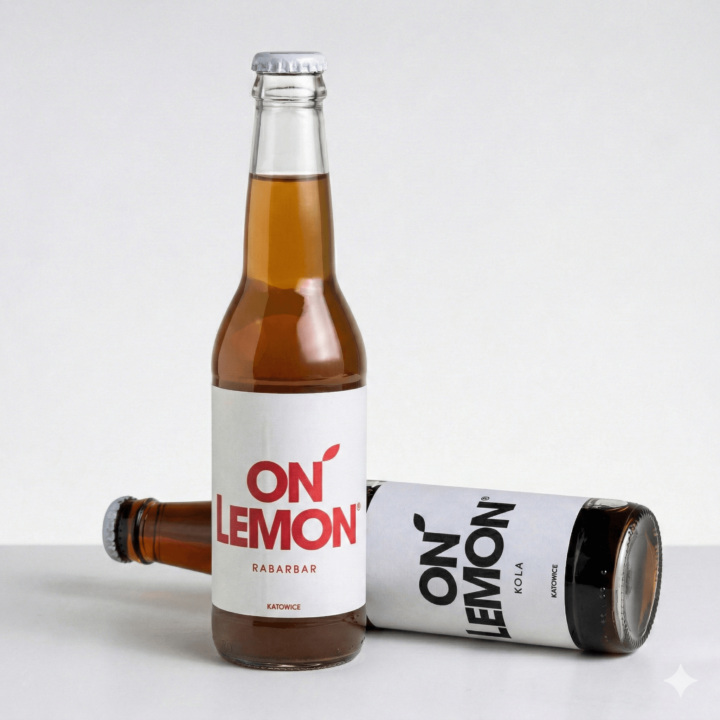
The look of the packaging also plays a big role, because in the food industry purchase decisions are often made at the shelf. Modern projects use “no label look” labels, which give the effect of printed glass or plastic and emphasise the natural character of the product. For packaging with unusual shapes, or when a larger graphic area is needed, shrink sleeve works very well – it covers the whole bottle or container and turns it into a part of the marketing message.
Environmentally friendly solutions are also gaining importance in the food industry. Food producers readily choose ecological labels, which fit the trend of natural products, organic food and short ingredient lists. A well-chosen material preserves the look of the packaging while underlining the character of the brand.
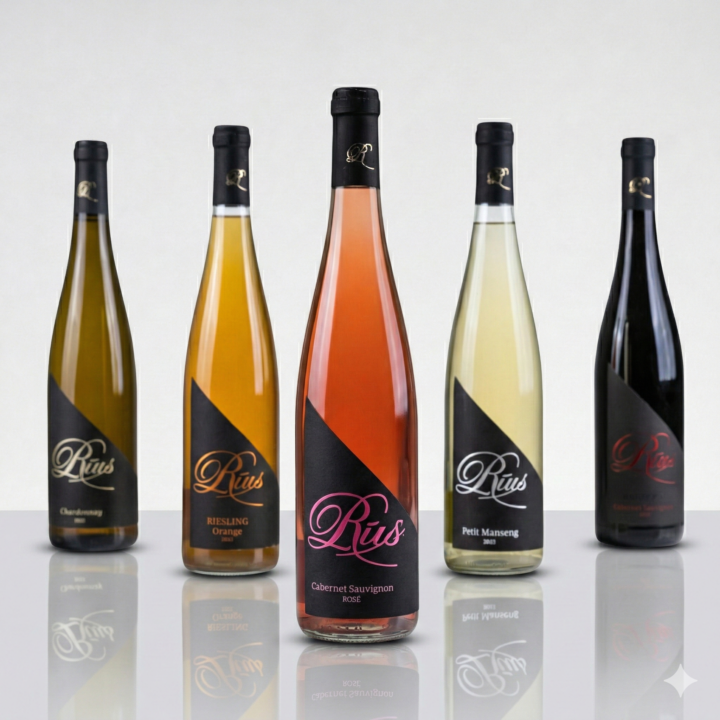
Projects that need a more original form also use custom die-cuts. Labels with a removable object make it possible to cut out a fragment of the label to reveal the packaging or to create a graphic element that is part of the design. Such solutions work well for premium, regional and craft products, where the look of the packaging strongly influences how the product is perceived.
The food industry needs labels that combine durability, safety and an attractive look, while letting producers react quickly to market changes. The right choice of printing technology and material means the label meets the formal requirements and at the same time helps the product stand out on the shop shelf.